

A blur. A scroll. A skip.
Instagram has over 2 billion active users, and more than 20% of their time is spent watching Reels. That’s not just a stat — it’s a spotlight. A chance for your brand to show up and stand out in a sea of noise. But here’s the truth:
Most Instagram video ads are forgettable.
So, what makes an Instagram ad unforgettable?
It’s not just the visuals. It’s not just the editing. It’s the story.
At Total Medulla, we believe a great Instagram ad works like a great story: it earns attention, builds trust, and drives action — all while feeling native to the platform and authentic to the brand. So let’s break down what that actually looks like, using insights from real campaigns and current best practices.
Why Most Instagram Video Ads Fail
Instagram isn’t your local billboard. It’s a social ecosystem built for discovery, not hard selling. Yet so many brands show up in the feed like they’re cold-calling your scroll:
“Buy now!”
“Limited time!”
“Act fast!”
The problem? They haven’t earned the right to ask.
As marketing strategist Brandy from Life Marketing puts it, Instagram ads fail not because of bad products, but because of broken strategies. Most brands skip ahead to the pitch before they’ve even introduced themselves.
And in a space where attention is earned, not owed, that’s a recipe for being ignored.
The Three-Part Story Structure Behind Every Great Instagram Ad
Forget funnels. Think story arcs!
Because the most effective Instagram ad campaigns follow a three-part storytelling strategy:
1. Awareness — Catch the Eye, Don’t Sell the Product
Your audience doesn’t care about your offer — yet.
First, you need to make them stop scrolling.
This is your “hook” moment. The plot twist. The pattern interrupt. The “Oh wait — what’s this?” beat that earns their attention.
💡 What works here:
Quick tips or “Did you know?” content
Relatable problems + curiosity-driven setups
High-contrast visuals and motion (think Reels, Stories, animation)
“Edutainment”: teach something, but make it feel like fun
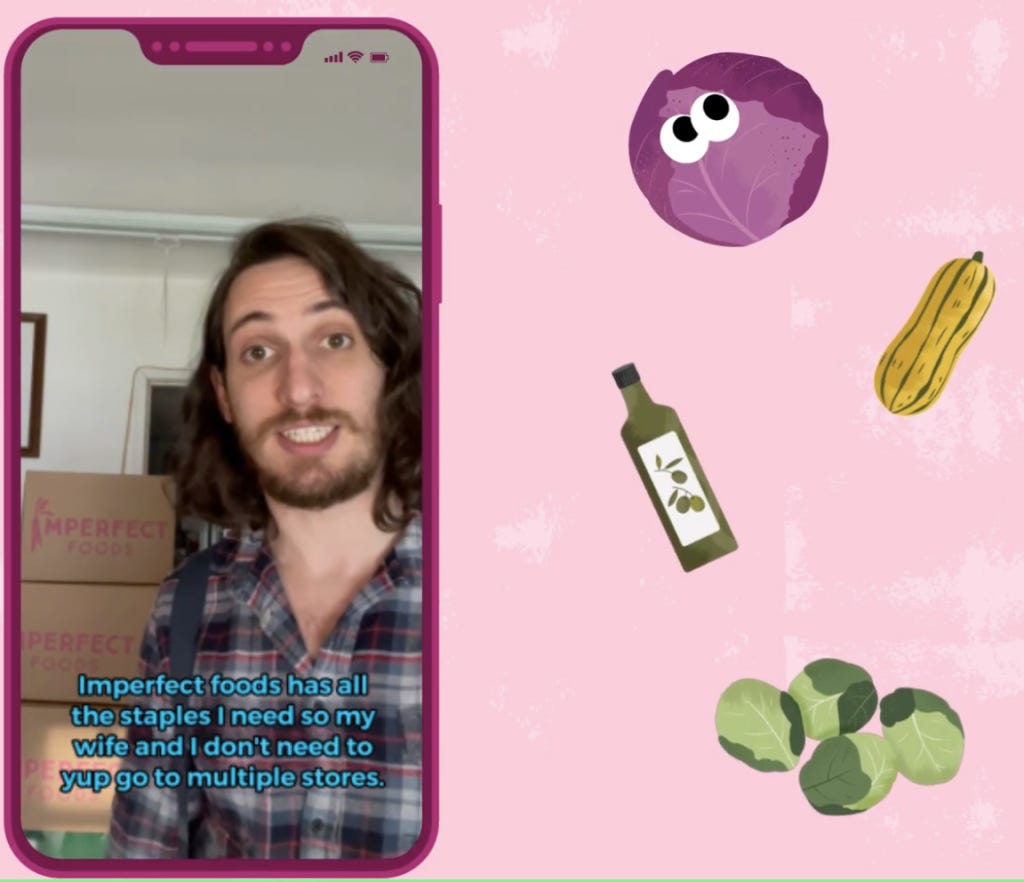
Example:
Superside nailed this in their Imperfect Foods user-generated content and motion graphics — making the value crystal clear and the vibe 100% authentic. IKEA did it with high-energy visuals that felt like a dream you didn’t want to wake up from.
At this stage, you’re not asking for anything. You’re earning attention and making your brand memorable in a positive way.
2. Consideration — Build Trust Through Storytelling
Now that your audience knows who you are, it’s time to build the relationship.
This is where you shift from “Hey, look at me” to “Here’s how I can help you.”
💡 What works here:
Testimonials and case studies
How-to walkthroughs or behind-the-scenes content
Carousel videos telling a step-by-step story
Offering value (free guides, discount codes, lead magnets)
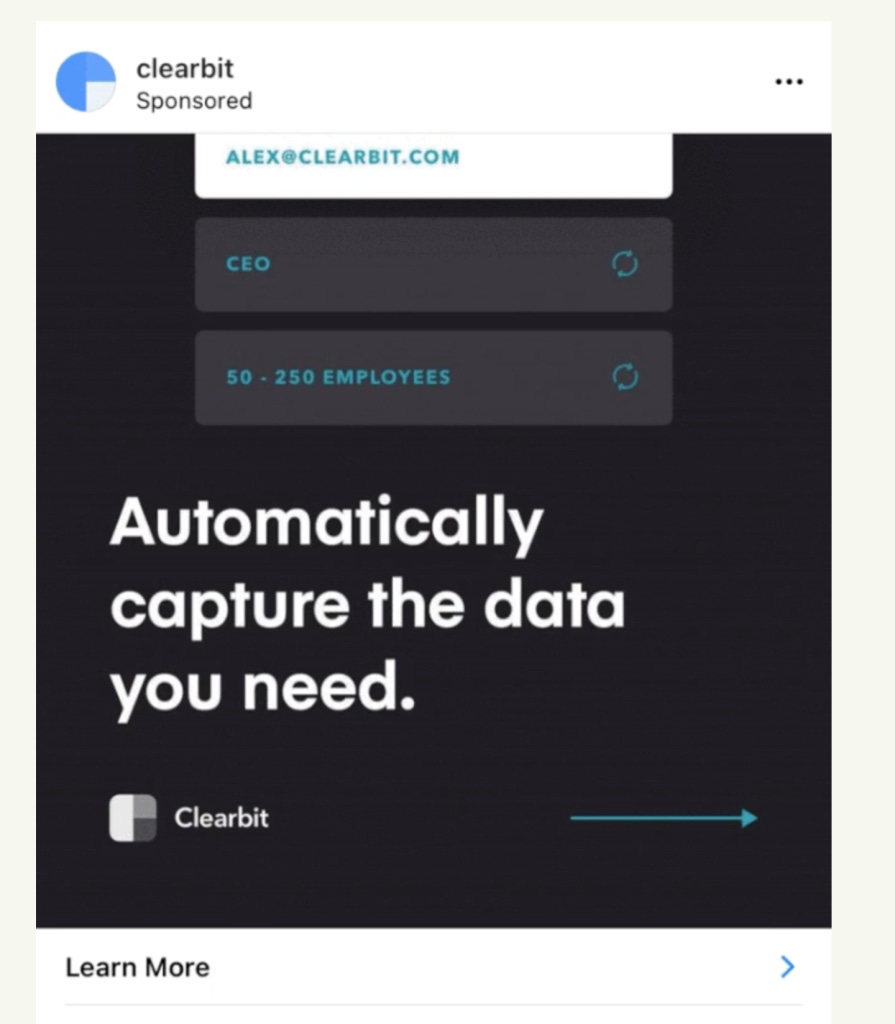
Example:
Clearbit used carousels to walk users through the what, how, and why of their product — each slide building trust and clarity. Talkspace leveraged testimonials with real users and brand-consistent design to make therapy feel accessible and trustworthy.
The goal here is credibility, not conversion. Prove you understand your audience’s problem — and that you’ve helped people just like them.
3. Conversion — Ask Boldly (But Thoughtfully)
Here’s where many brands hesitate. Or worse — overcompensate.
You’ve done the work. You’ve told the story. Now it’s time to ask for the sale — with confidence and clarity.
💡 What works here:
Direct, benefit-driven messaging
Emotion-led copy (not just “features”)
Urgency and scarcity (countdowns, limited spots, time-sensitive bonuses)
Simple, focused CTAs (buy now, book a call, claim offer)

Example:
The best dishwasher ad doesn’t say “turbo wash tech.” It says “you’ll never pre-scrub again.”
That’s the real value: time saved, energy preserved, stress reduced.
Whether it’s fitness, finance, or fashion — your customer isn’t buying a product.
They’re buying a feeling. Sell the transformation, not the tool.
Choosing the Right Format for Your Story
Each Instagram placement serves a different purpose. Match the format to the message:
Format
Best Use
Optimal Length
Reels
Trendy, native-style content
15–60 sec
Stories
Urgent, direct CTAs
6–15 sec per slide
Carousel Videos
Tutorials, multi-angle storytelling
30–45 sec per slide
Feed
Product demos, testimonials
15–30 sec
Explore
Broader discovery, first-time impressions
Under 30 sec
Pro Tips:
Use vertical video (9:16) for Reels and Stories.
Always include captions or text overlays — most users scroll with sound off.
Shoot mobile-first or use mobile-inspired editing — polished is nice, but native is trusted.
Creative Principles That Make Ads Unforgettable
Let’s recap the creative DNA of great Instagram video ads:
Hook fast — You have 3 seconds. Lead with a question, bold visual, or emotional moment.
Be human — Humor, empathy, and relatability beat hard sells every time.
Use bold color + movement — Think visually. Leverage contrast. Stand out.
Tell a story — Even a 15-second ad has a beginning, middle, and end.
Sell the result — Not the feature. Not the specs. Sell the outcome your audience wants.
From Adobe’s lo-fi product tutorials to Durex’s ultra-relatable humor, the best ads don’t feel like ads. They feel like conversations, confessions, moments.
Closing the Loop: Strategy + Story = Sales
At Total Medulla, we don’t just make content — we craft narratives that move people. The kind of scroll-stopping stories that don’t just boost engagement — they drive conversions, build communities, and deepen brand identity.
If you’re ready to turn your product into a story, your video into a vehicle, and your brand into a bold, unforgettable presence — let’s talk.
Because in 2025, attention is earned.
And unforgettable? That’s the new ROI.