

You’ve Got Social Media Accounts Everywhere
You’ve probably heard it before, “Your business needs to be everywhere” or “You need to increase your digital footprint.”
At first glance, these concepts sound logical. If you’re posting across every social media platform, surely your odds of reaching more people are higher, right? Sadly, the reality is being on every platform often leads to burnout, wasted resources, and poor results.
We’ve seen it happen with many of our clients and for our business as well. Organizations post daily across six or seven platforms, but their engagement barely moves. Their followers stay the same. Frustration then kicks in. Why? Because their energy is scattered, and the content shows it. It sucks!
In this post, we’ll show you why focus matters, how to choose the right platforms for your business or organization, and what to do once you’ve chosen them.
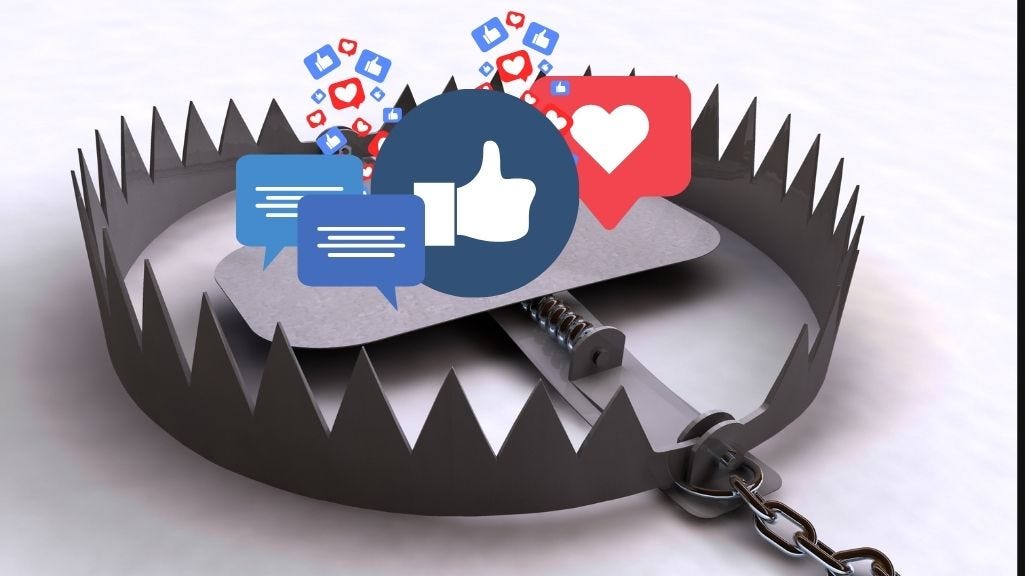
The Trap of Trying to Be Everywhere
At first glance, more platforms might look like more opportunity. The thinking goes: “If I’m everywhere, my audience will have more chances to find me.”
Here’s the problem:
Different platforms require different strategies.
Engagement stagnates when content feels copy-pasted.
Spreading too thin means lower ROI and higher stress.
Internal teams struggle to maintain multiple content calendars.
Responding to comments becomes a nightmare when you’re bouncing between platforms.
The result? A lot of effort with little return.
Try the “scroll test.” Open any app and pay attention to what catches your eye. Most posts don’t resonate, but the intentional ones do. The same is true for your audience. If you’re just pushing content everywhere without purpose, your message will get lost in the noise.
How Audiences Really Use Social Media
Before you jump on the latest platform, dig into your own client data first. Who engages with your brand right now? Where do they live? What are their interests? Where do they spend their time? That should guide your choices, not guess work or just copying what you see others doing.
Global stats are still useful context. Here are the heavy hitters as of 2025:
•Facebook — 3.07 billion monthly active users
•YouTube — 2.53 billion
•Instagram — 2 billion
•WhatsApp — 2 billion
•TikTok — 1.59 billion
•LinkedIn — 1 billion+
And usage differs by age:
•Gen Z and younger millennials flock to TikTok and Instagram.
•Millennials and Gen X split time between YouTube, Instagram, and Facebook.
•Older adults dominate Facebook and YouTube.
These numbers don’t mean you should chase every platform. They mean you should choose wisely, based on where your audience already spends their time. Think of it like throwing a party: you wouldn’t host it in a place your audience doesn’t hang out. Social media works the same way.
Choosing the Right Social Media Platforms

Now, let’s break down what each major social media platform is really good at:
Facebook: Still the king for reach. Popular with adults 30+, strong for customer service, team stories and community updates. Best for text posts, short videos, and events.
Instagram: Visual-first, loved by Gen Z and millennials. Great for product discovery, Reels, and carousel posts.
TikTok: Fast-paced, trend-driven, with a growing millennial base. Perfect for short, entertaining, or informative clips.
LinkedIn: Professional storytelling. Best for B2B, thought leadership, and long-form text posts.
YouTube: Long-form and evergreen, although YouTube shorts are increasing in popularity. Ideal for tutorials, storytelling, and video libraries.
X (formerly Twitter): Quick news and conversation. Good for brands that thrive in real-time dialogue.
To decide, ask three questions:
Who is my audience?
What type of content do I create best?
What type of content can I be consistent with?
What business goal am I trying to achieve?
The Mission Statement Approach
Once you’ve chosen your social media platforms, it’s time to give your efforts direction. Write a mission statement for each channel.
This isn’t about what you want people to do for you, it’s about what you’re offering your audience.
Example for Instagram:
“We will create engaging short-form videos and creative visuals that are either entertaining or educational. These pieces of content must offer valuable information and provide solutions for our audience.”
- Mission Statement
Mission statements like this clarify your purpose and keep your team aligned.
What To Do Once You’ve Picked Your Social Media Platforms
Choosing your platforms and writing your mission statements are just the beginning. Here’s how to maximize your efforts:
Focus on consistency and quality. It’s better to post less often with intention than to post frequently without impact.
Audit annually. Track engagement rate, impressions, follower growth, CPM, and CPC. Use polls, Q&A, and analytics dashboards to listen to your audience.
Stay adaptable. If your audience shifts platforms, don’t be afraid to pivot.
Cross-promote smartly. Repurpose content, but adjust it to each platform’s “language.”
Social media is always evolving, but when you approach it with focus, you’ll stay ahead of the curve.
Crush Your Social Media Strategy

Stop chasing your competitors. Stop trying to be everywhere. Instead, focus on your audience, add value, and commit to the platforms that matter most.
The payoff? Stronger engagement, time back on your calendar, and deeper trust with your audience.
Again, you don’t need to be everywhere to win. You just need to be intentional, and that’s where we come in. At Total Medulla, we help brands stop chasing the algorithm and start telling stories that matter. We help shape content for the right audience, on the right social media platform. If you’re ready to build a story-driven strategy (and manage it without the burnout), we’re here to help.